
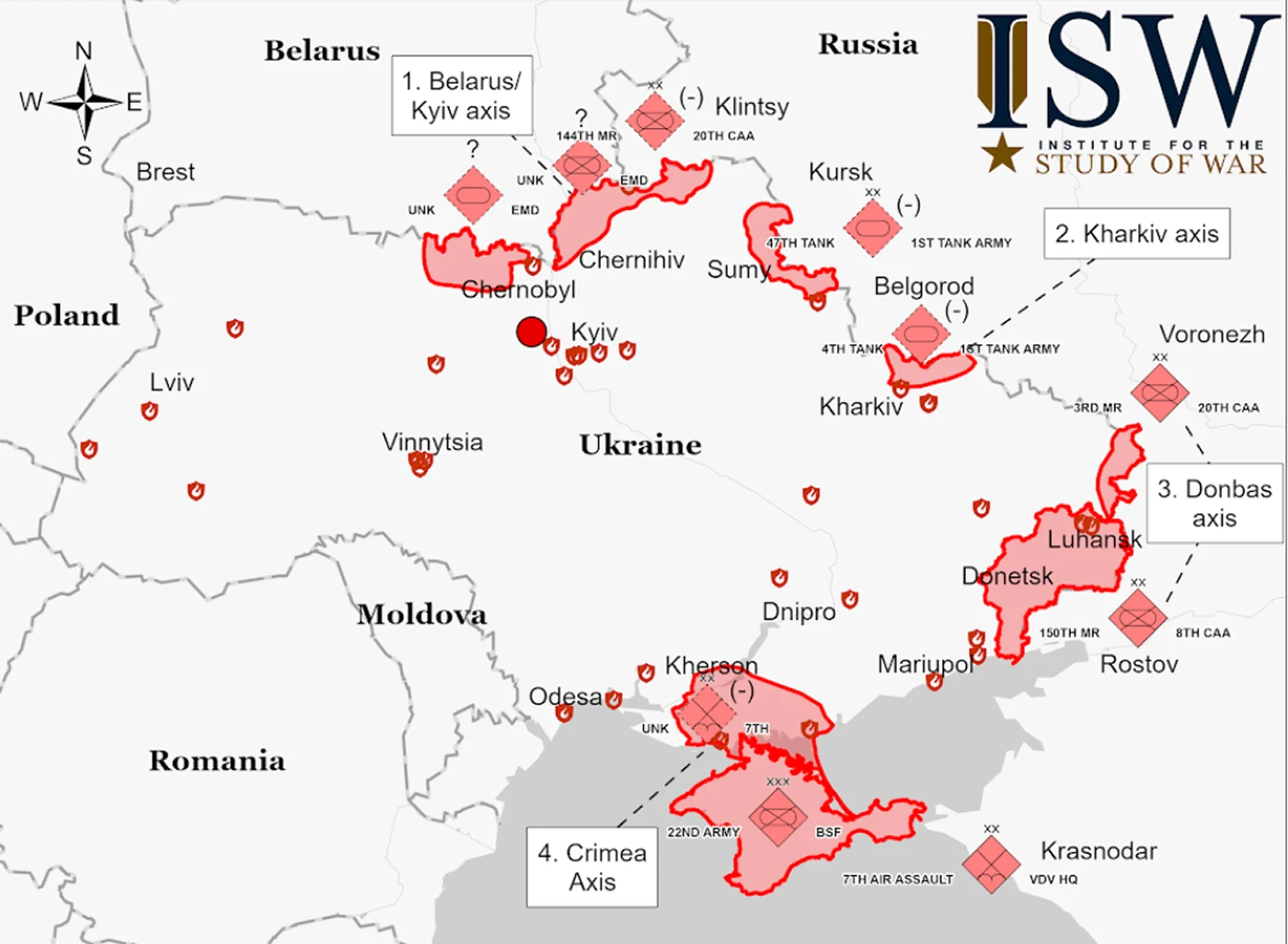
The first day of the full-scale invasion of Ukraine shattered any lingering hopes of a localized conflict. Beyond the political rhetoric, the reality on the ground was a multi-axis assault characterized by heavy missile barrages, the use of conscripted troops, and a high-stakes gamble for the capital.
1. The Opening Salvo: Multi-Axis Incursion
The invasion did not begin as a minor skirmish in the Donbas but as a massive, coordinated strike across the entire border. Initial movements were detected around 7:00 AM, following a night of high tension.
- The Belgorod Pivot: As predicted by independent monitors like the Conflict Intelligence Team (CIT), the Belgorod region served as the primary launchpad. Rocket fire and troop movements surged from this direction toward Kharkiv, leveraging the proximity of Russian staging grounds to major Ukrainian urban centers.
- The Belarus Corridor: Long-standing concerns about the “joint exercises” in Belarus were validated as Russian military hardware crossed the northern border. Observers noted that while the equipment lacked unique national markings at first, the breach was immediate and aimed directly at the heart of Ukraine.
- The Southern Front: From occupied Crimea, Russian forces pushed toward Kherson. A key strategic objective was quickly identified: the restoration of water supply to the peninsula, which had been cut off since 2014.
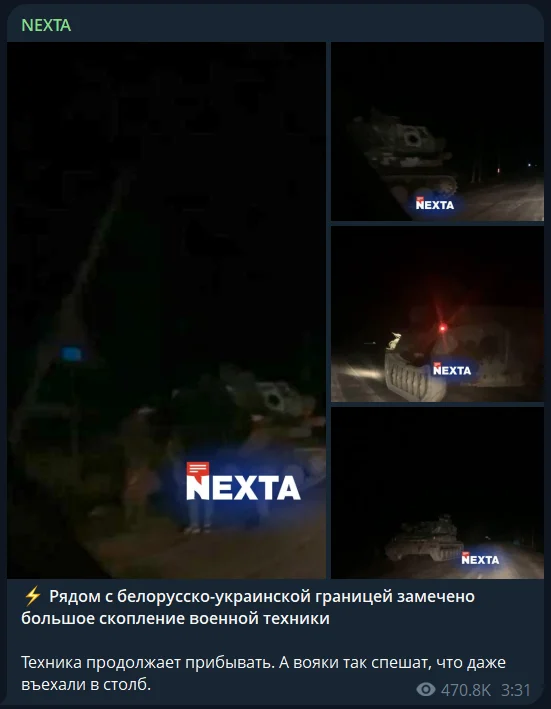
The equipment continues to arrive. And the soldiers are in such a hurry that they even crashed into a pole.”
2. Arsenal of Aggression: Precision vs. Indiscriminate Fire
Despite Kremlin claims of surgical strikes on military targets, field evidence from day one told a different story.
- Long-Range Munitions: The assault utilized Kalibr cruise missiles launched from the Black Sea and Iskander short-range ballistic missiles.
- Indiscriminate Shelling: In Kharkiv and surrounding areas, the use of Smerch multiple launch rocket systems (MLRS) was documented. Unlike precision missiles, these systems act as “carpet fire,” raining submunitions over wide areas. Many of these rockets landed in residential districts, leaving “booster” sections embedded in civilian roads and playgrounds.
- Airpower in the Capital: While Kyiv’s air defenses were active, Russian aviation targeted the Main Directorate of Intelligence (HUR) headquarters, sending plumes of smoke over the city.
Мы проверили: видео действительно снято в Харькове, виден хвост ракетной части реактивного снаряда РСЗО «Смерч».
— CIT (@CITeam_ru) February 24, 2022
Ракетная система залпового огня (РСЗО) — неизбирательное оружие. Удары по населённым пунктам с применением такого оружия — военное преступление pic.twitter.com/ks0r99S6EX
3. The Battle for Kyiv: The Hostomel Gambit
A critical component of the Russian strategy was a lightning strike on the capital. This involved a high-risk airborne operation.
- Strategic Objectives: Elite paratroopers were deployed to seize airports near Kyiv, specifically Antonov (Hostomel) Airport. The goal was to secure a landing strip for Il-76 transport planes, which were reportedly idling in Pskov, ready to ferry in massive reinforcements for a final push into the city center.
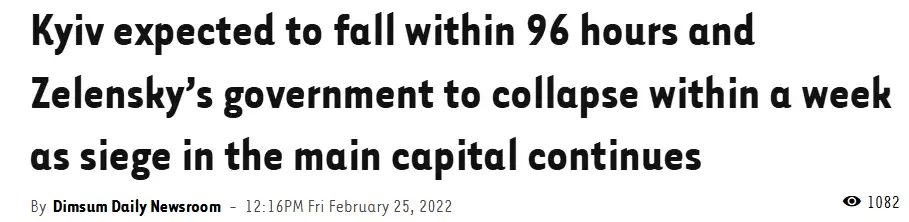
- Blitzkrieg or Stalemate? This maneuver was designed to bypass long-distance ground marches and end the war within 96 hours. However, the intensity of Ukrainian resistance from the first hours suggested that the Kremlin’s “clean” operation would quickly devolve into a grueling conflict.
4. The Human Toll: Conscripts and “Meat Grinder” Tactics
One of the most significant revelations of day one was the identity of the Russian forces being sent into combat.
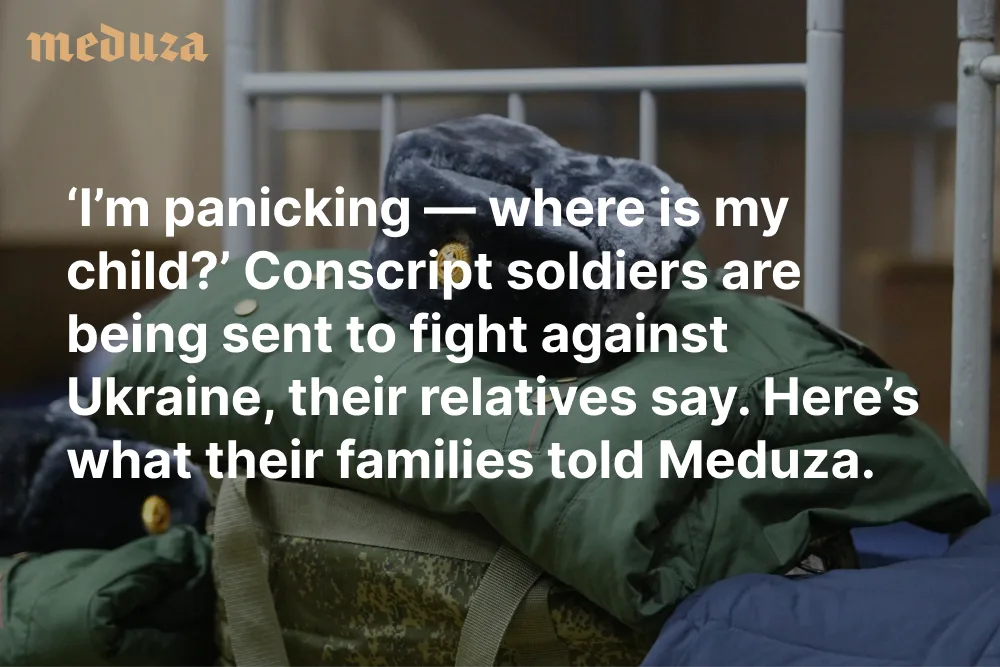
- Conscripts on the Frontlines: Despite official denials, evidence emerged that soldiers born as late as 2002 — essentially 19 and 20-year-old conscripts — were participating in the invasion. Reports from families and human rights committees confirmed that young men with minimal training were moved to the border under the guise of exercises before being ordered across.
- Tactical Negligence: Russian units were observed pushing forward at all costs. In several instances, wounded or dead soldiers were left behind by their retreating or advancing units, suggesting a “meat grinder” mentality where meeting specific timelines was prioritized over the lives of the personnel.
5. Information Warfare: The Myth of Mass Surrender
As Russian state media flooded the airwaves with claims of the Ukrainian military laying down arms in mass, the reality on the ground was one of sustained, organized resistance.
- Propaganda vs. Reality: While the Kremlin tried to replicate the “Crimean scenario” of 2014, expecting units to flip, the Ukrainian Armed Forces engaged across all fronts. Captured Russian soldiers were documented, and the first “visual confirmations” of destroyed Russian armor appeared across social media, contradicting the narrative of an easy walkover.
Strategic Outlook: Putin’s Step-by-Step Pressure
Analysts suggest that Putin’s current strategy is a “test of resolve.” By launching attacks from multiple directions, the Kremlin is attempting to gauge Western reaction and force the Ukrainian government into immediate, unconditional concessions. If the initial shock does not break the spirit of the nation, the conflict is expected to escalate as Russia taps into the massive military reserves currently idling along the border.
This article is based on source material from Michael Nacke’s video covering Day 1 of the war →